When to Start Thinking About Music for Your Indie Game
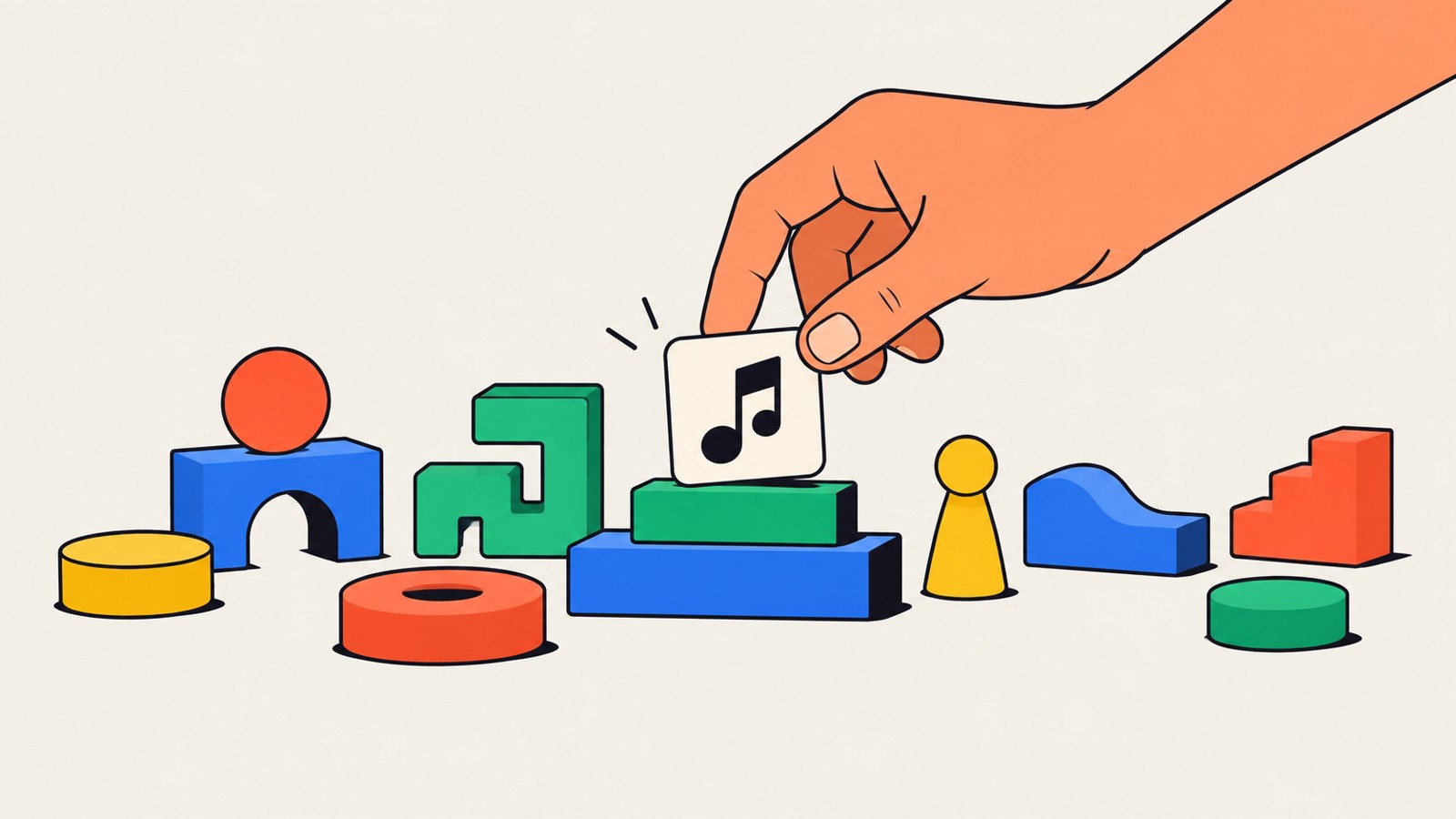
You have a playable prototype, a growing task list, and a music folder you keep meaning to open. Is it too early to bring in a composer? Or will leaving the soundtrack until later make it harder to get the mood right?
Our advice at NGL: start exploring music while the game is taking shape. Commit to paid work when you can give it a useful brief. Those decisions can happen at different stages, and an early conversation with a composer can help you figure out what that brief should contain.
When does music enter the picture?
In a post on r/gamedev, u/CreatureVice asks when developers begin seriously thinking about their soundtrack. During pre-production? Once the gameplay and direction are established?
The follow-up gets to the heart of it: did working with a composer early help shape the game? And if music came later, what held it back: budget, a changing direction, or uncertainty about how much was needed? These are useful questions to ask about your own project, too.
For your own game, the timing will depend on what is still changing. You might be ready to explore the mood while the number of levels, scenes, and tracks remains unclear. We would use early experiments to find a direction, then let the brief and budget guide the size of the commission.
For now, try a few musical directions in your current build. What you hear can help you decide what to ask a composer for.
Give your prototype something to listen to
Try temporary music while the game's direction is still taking shape. Does it support the mood you want, or suggest a different direction? That kind of experiment gives you something concrete to react to without committing to a full soundtrack.
A temporary track can help you describe the feeling you want. Keep notes on what fits and what distracts you; they will be useful when you talk to a composer.
Composer Ninichi makes the case for early involvement in her article on music during game development, pointing to motivation, atmosphere, and the chance for the game and soundtrack to develop together. It is a working composer’s perspective: hearing part of your game come alive can help you see where you want to take it next. These sources offer perspectives, rather than measured project outcomes.
Know what you are asking a composer to make
The harder decision is when to spend. If your game's identity is still changing, a full soundtrack is a substantial commitment to a direction you have yet to choose.
You can still share a build, discuss references, or agree on a small first piece. That gives you both a chance to test the collaboration and hear something in context before committing to more work.
Think about how music should behave during play as well. Should exploration music fade when combat begins? Should a track loop through a long session? Include those questions in the brief: they affect what needs to be composed and how you will put it into the game.
A practical way to get started
Here is how we would approach it:
- Try music in the prototype. Compare temporary tracks in the same scene. Listen for what supports the pace and mood, and what gets tiring after repeated play.
- Write a small brief. Include a playable build or footage, the mood you want, references with notes, and the scenes that need music. List the decisions you are still working out.
- Discuss playback early. Talk through how the music should respond during play. Give the composer enough context to plan the work.
- Start with a manageable commitment. Agree on the first piece, budget, revisions, and delivery needs. Test it in the game before deciding how much more to commission.
Start listening before you start spending
There is room to explore music before the whole game is settled. There is also a good reason to wait on a large commission while the scope keeps changing.