A Stolen Indie Game and the Limits of a Locked Demo
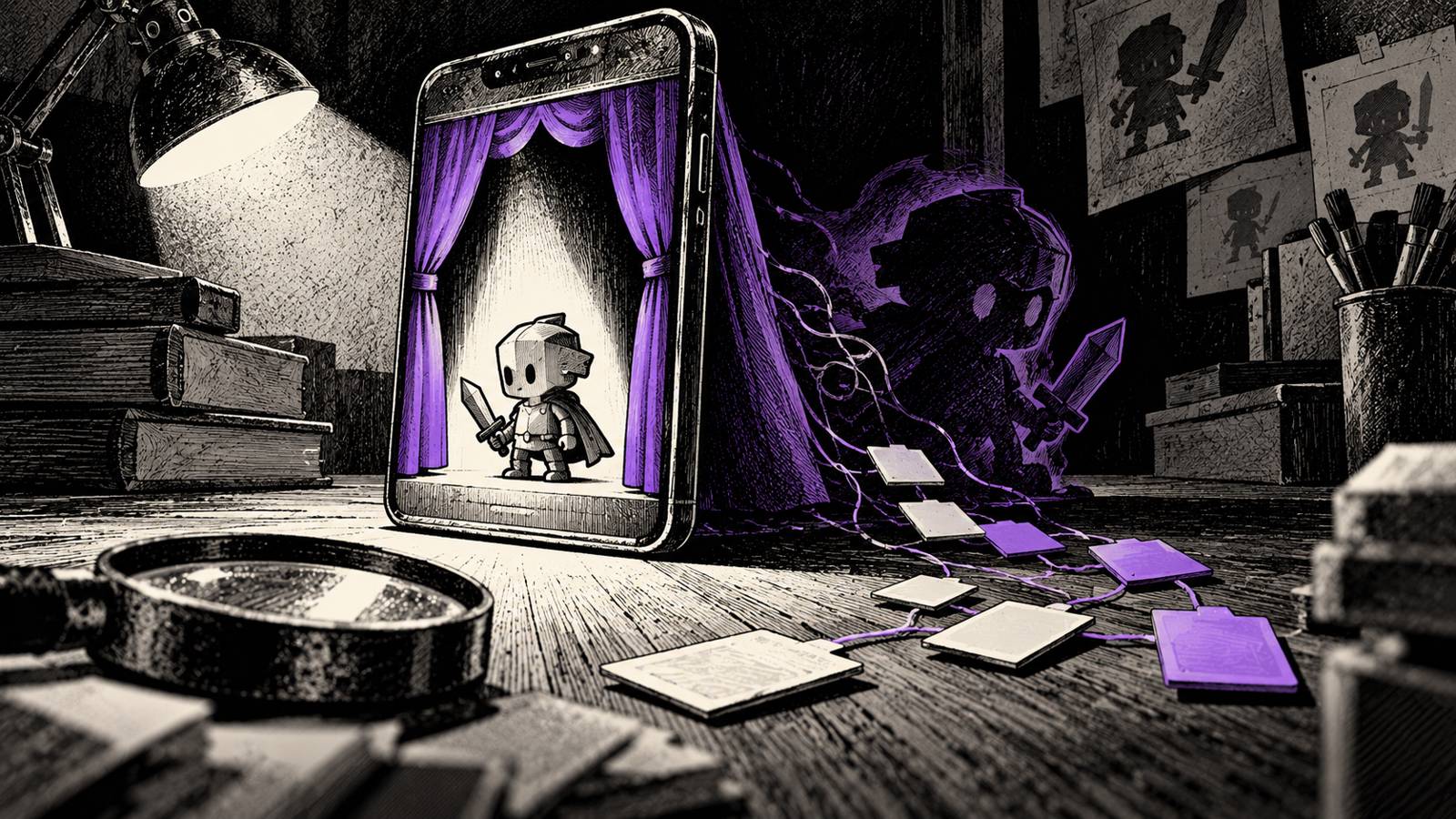
A public demo can contain more game than its developer meant to share. The reported theft of My Own Hero Party raises an uncomfortable question for us as indie developers: what are we actually handing over when we upload a build?
Disabled gameplay was still in the download
In a post on r/incremental_games, u/ViniFlores said someone had taken their itch.io build of My Own Hero Party and uploaded it to Douyin mini-apps without permission.
According to the developer, the upload used the same files, rather than recreating the game. Content they had blocked because it was not polished had been made playable. The copied build was wrapped in a mobile shell and given ads.
The developer asked what action they could take. In a reply, they suggested that their earlier itch.io upload might help establish authorship, but said dealing with Douyin had been difficult.
Several reports, not a measurement of the problem
One commenter linked several similar developer reports. Other replies suggested gathering evidence and requesting removal. That makes this a useful case to examine, especially alongside accounts from other developers.
What we have here is developer reports and community replies, not an independent check of the copied files. They do not tell us how common this is, exactly how the game was modified, or whether this copy was taken down. There is no evidence AI was used to copy or modify the game, despite one comment speculating about automation.
Hidden content is not absent content
The technical lesson is straightforward. A client-side web game gives players files that can be downloaded, unpacked and modified. Blocking access through the game's interface is not the same as leaving that content out of the build.
That distinction matters here. The developer described unfinished gameplay as blocked, but still included. The copied version reportedly made that gameplay available.
One practical approach is to leave unfinished or proprietary code out of public builds altogether. Another is to keep critical logic server-side to reduce what a copied client can do. Neither approach makes copying impossible, but both address what is available to copy.
A complaint needs evidence, not just outrage
The thread also contained a claim that copyright protection only works within your own country. That is not a sound basis for deciding whether to act. Cross-border protection exists; enforcing it is the difficult part, particularly when resources are limited.
Douyin provides an official intellectual-property infringement complaint webform. Its complaint process requires proof of identity and evidence of the claimed rights. Douyin accepts several forms of copyright evidence, while documents created outside mainland China may require additional authentication. The linked complaint guide is a starting point. Before submitting, check the current official instructions for the documents needed to identify the complainant and establish their rights.
An earlier upload and file metadata may help document authorship and chronology. Screenshots or video of the unauthorized version can document what appeared on the platform. Gathering that material gives a complaint something concrete to work with.
Check the package, then prepare the claim
- For a public demo: exclude unfinished content rather than merely disabling it.
- For authorship and chronology: retain upload history and available file metadata.
- For an unauthorized copy: document the listing and gameplay with screenshots or video.
- For a removal request: check the platform's current official documentation requirements before submitting.
These steps serve different purposes. A smaller build limits exposure; evidence supports a response after copying has happened. One does not replace the other.
Our view: publish what you mean to give players
Our takeaway is to treat a demo as its own release package, not the full game wearing a locked door. We would rather ask what belongs in that package before publishing than discover afterward what a disabled button was guarding.
That is our suggestion, not a judgment on this developer. The responsibility for an unauthorized upload belongs to whoever made it. Sharing work with players should not mean accepting theft, but checking the contents of the build is one practical part we can control.